

Ramsey, Minnesota, experiences a diverse climate characterized by distinct seasonal changes, each bringing unique weather patterns and environmental considerations. Understanding these patterns is essential for residents to prepare and adapt effectively.
Seasonal Weather Patterns
Winter
Winters in Ramsey are typically cold and snowy. Average low temperatures in January hover around 5.3°F, with highs reaching approximately 22.8°F. Snowfall is common, contributing to the region’s winter landscape.
Spring
Spring brings a gradual warming trend. By April, average highs reach 55.4°F, accompanied by increased precipitation, averaging 2.92 inches. This season often sees a mix of rain and the occasional late snowfall.
Summer
Summers are warm and can be humid. July, the warmest month, has average highs of 82.6°F and lows around 61.7°F. Precipitation remains steady, with July averaging 4.46 inches of rainfall.
Autumn
Autumn sees cooling temperatures and decreasing daylight. October averages highs of 57.5°F and lows of 37.5°F, with precipitation averaging 2.72 inches.
Environmental Considerations
Water Conservation
Ramsey’s sandy soils have low water-holding capacity, leading to rapid drainage. During summer, lawn watering can triple water usage to over five million gallons per day. Residents are encouraged to adopt water conservation practices to preserve groundwater resources.
Climate Change Impacts
Climate change has led to observable shifts in Ramsey’s weather patterns, including increased temperatures and altered precipitation. These changes can result in more frequent extreme weather events, such as heavy rainfall leading to flooding, and hotter summers posing health risks.
Natural Resource Management
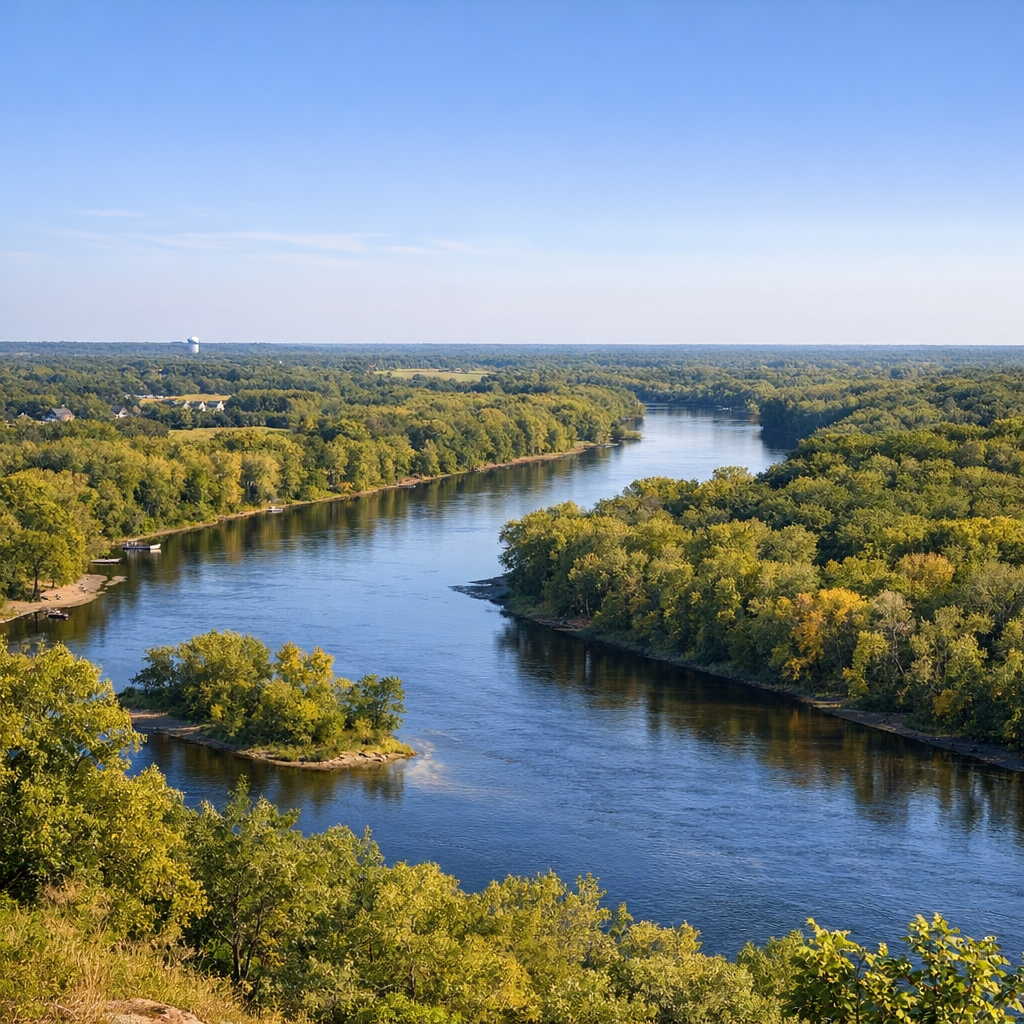
Ramsey is home to valuable natural resources, including the Mississippi and Rum Rivers, wetlands, and woodlands. The city emphasizes the importance of preserving these resources to maintain ecological balance and community well-being.
Preparing for Local Weather
Residents can take proactive steps to adapt to Ramsey’s climate:
- Stay informed about weather forecasts and heed advisories.
- Implement water conservation techniques, such as efficient lawn watering schedules.
- Engage in community efforts to protect and restore natural habitats.
- Prepare homes for seasonal changes, ensuring proper insulation and drainage systems.
By understanding and responding to local weather patterns and environmental factors, Ramsey residents can enhance their resilience and contribute to the sustainability of their community.