

Ramsey, Minnesota, experiences a diverse climate characterized by distinct seasonal changes, each bringing unique weather patterns and environmental considerations. Understanding these patterns is essential for residents to prepare and adapt effectively.
Seasonal Weather Patterns
Winter: Spanning from late November to early March, winters in Ramsey are typically cold and snowy. Average low temperatures can drop to around 8°F, with highs reaching up to 35°F. Snowfall is common, contributing to the region’s winter landscape.
Spring: Transitioning from March through May, spring brings milder temperatures and increased precipitation. Average highs range from 40°F in March to 68°F in May. This season often sees a mix of rain and occasional late snowfalls.
Summer: Lasting from late May to mid-September, summers are warm and humid. Average high temperatures peak around 82°F in July. Thunderstorms are frequent, sometimes leading to heavy rainfall and localized flooding.
Autumn: From mid-September to November, autumn features cooler temperatures and decreasing precipitation. Highs range from 72°F in September to 41°F in November, with vibrant fall foliage marking the season.
Environmental Considerations
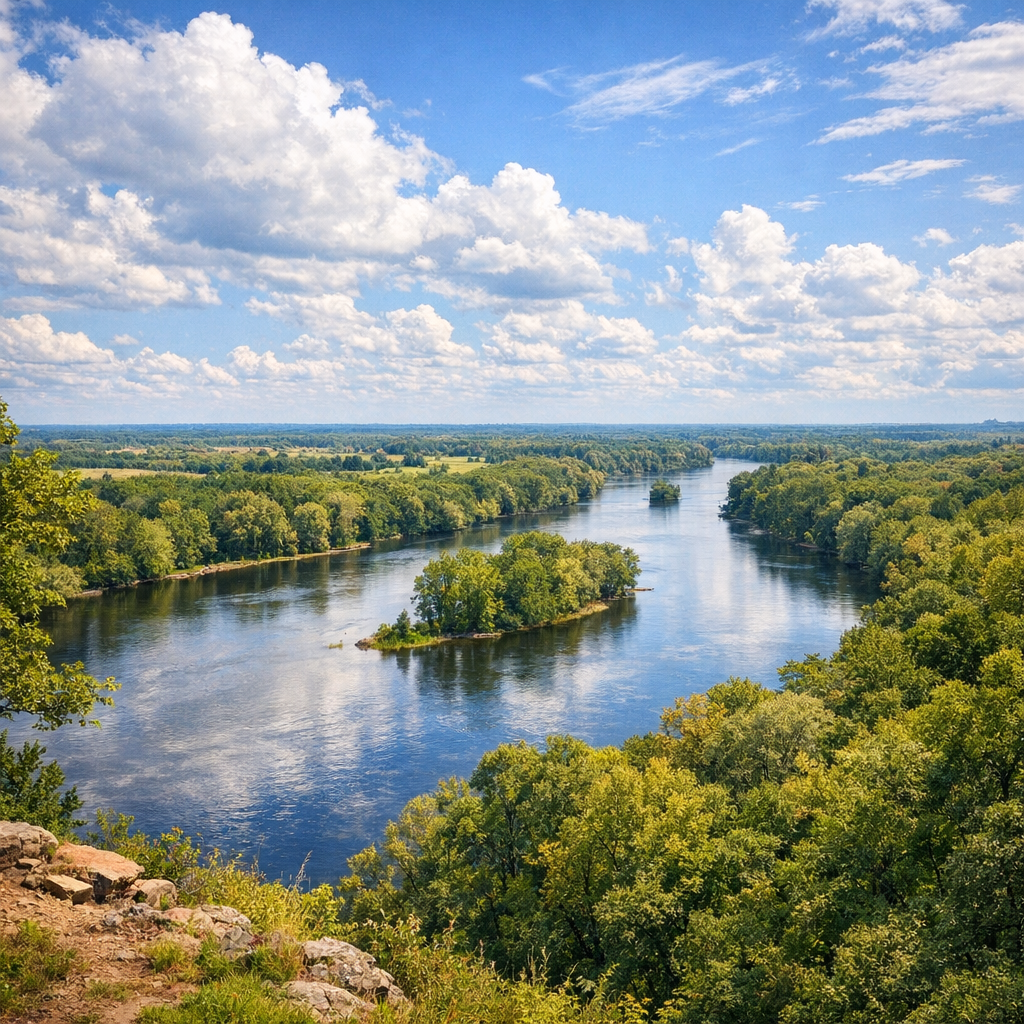
Ramsey’s natural environment includes the Mississippi and Rum Rivers, wetlands, woodlands, and open spaces. These resources are vital for the community’s ecological health and recreational opportunities.
However, the area faces environmental challenges such as soil erosion, particularly during heavy rains. Erosion can degrade water quality and harm aquatic habitats. Implementing erosion control measures is crucial to mitigate these effects.
Water conservation is another important consideration. The city’s water system relies on deep wells tapping into the Ironton-Galesville aquifer. During dry summer days, water usage can peak significantly due to lawn irrigation. Residents are encouraged to adopt water-saving practices to ensure sustainable water supply.
Climate Change Impacts
Climate change is influencing local weather patterns, leading to more extreme weather events. Ramsey has experienced increased annual precipitation and higher temperatures over recent decades. These changes can result in more frequent and intense storms, posing risks such as flooding and heat-related health issues.
To address these challenges, Ramsey County has developed a Climate Equity Action Plan aimed at guiding responses to climate change and promoting community resilience.
By staying informed about local weather patterns and environmental issues, residents can take proactive steps to protect their health, property, and the natural resources that make Ramsey a vibrant community.